
The History of the Chamois Mountaineering Club
 The Chamois Mountaineering Club was the brainchild of George Richards and Edward Snelson, two members of the management committee of the Co-operative Holidays Association, which was the first organisation to provide walking holidays in this country. It was started by a Congregational minister from Colne in Lancashire called T. Arthur Leonard. In 1891 he arranged a week’s holiday for some of his congregation, based in Ambleside and walking the surrounding fells. They were hard working cotton operatives with little time or opportunity to go out into the countryside, so they enjoyed themselves greatly, and the venture proved so popular that he had to repeat it several times. After a few years a non-profit-making company was formed to deal with the administration and was named the ‘Co-operative Holidays Association’, because everyone had to ‘co-operate’ to make the holiday spirit. The name caused confusion because people muddled it up with Co-op shops, so it was renamed the Countrywide Holidays Association and then abbreviated to CHA. In time the company acquired a number of guest houses all over the country, and had two purpose built, at Borrowdale, and Hope in Derbyshire.
 The holidays provided a programme of walking ‘excursions’ each day, designed to show off the best of an area, and simple self-made entertainment in the evenings in which everyone was expected to participate. They were reasonably priced (£1.10/- a week in the 1920s!) and encouraged people to explore the country in an active way. Eventually the organisation ran a number of guest houses including ones at Borrowdale, Llanfairfechan in Snowdonia, and at Onich between Glencoe and Fort William, all with the emphasis on mountain walking. People wanted to spend more than just their holidays in wild country, so George and Edward proposed the idea of a mountaineering club, and the CHA Mountaineering Club was inaugurated at a meeting held at the CHA headquarters in Manchester on 20th June 1964.
 The first meets took place at CHA guest houses at Hope in October 1964, Llanfairfechan at New Year 1965, back at Hope in March 1965, Onich for Easter 1965, then Borrowdale for whit week 1965. That year was a good start to our mountaineering education. We were rock climbing in the Peak District in October and at Borrowdale in June, and had excellent introductory snow climbing from Llanfairfechan at New Year and Onich at Easter.
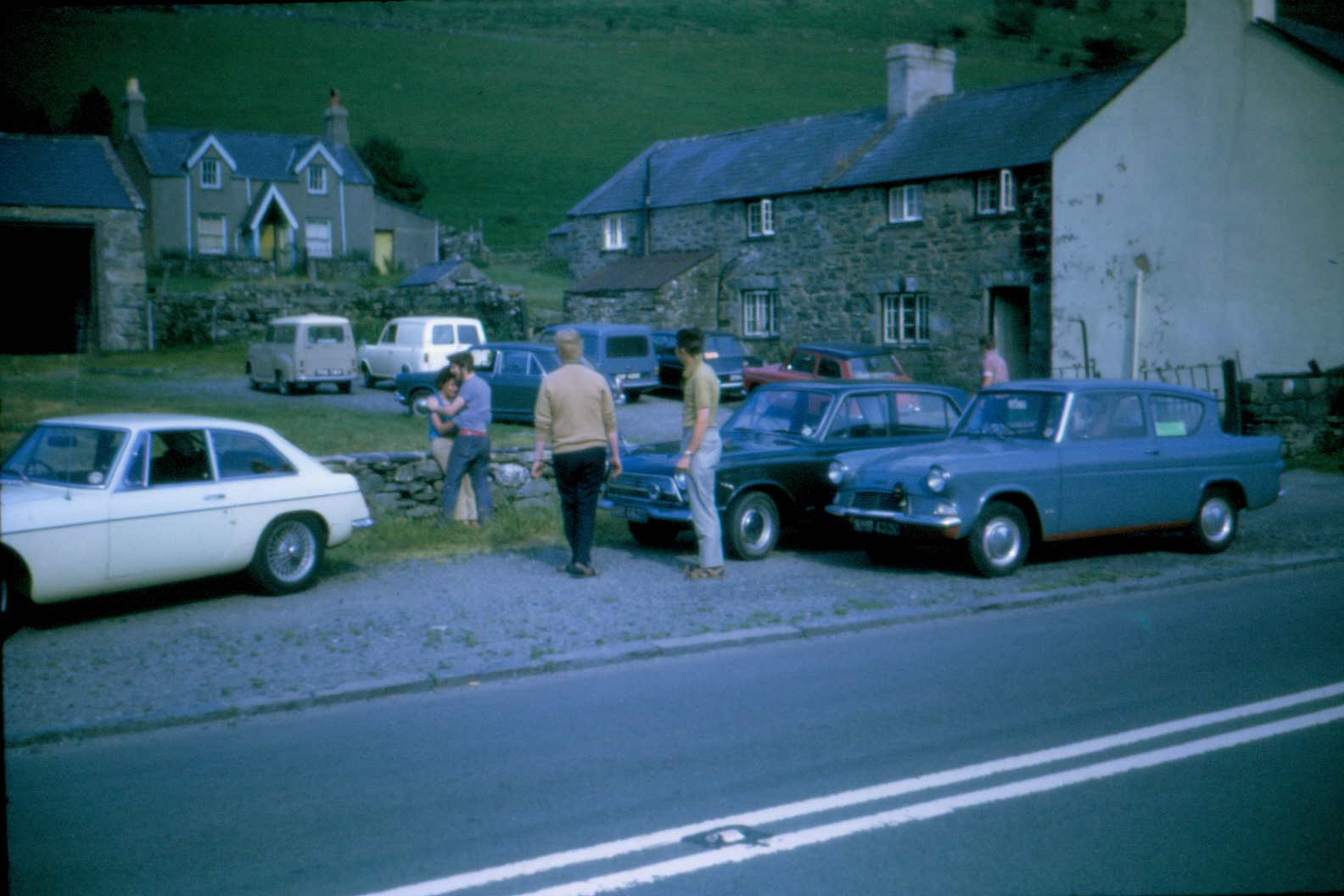 The Club proved popular from the outset, and within a couple of years membership had risen to 130 and was growing. Meets were well attended and much enjoyed, but we needed our own club hut to give flexibility of accommodation. As a starter we rented three rooms on the first floor of an old farmhouse at Tyn y Maes in the Nant Ffrancon valley. After a few months work, it was kitted out to provide matratzenlager bunks for eighteen, and a kitchen/ living room. Newsletter No 14 early in 1967 states that the hut fee was 4/- per night, that the hut was easy to get to by car, by hitching, or on the coach which left Liverpool at 5pm on Friday and Saturday nights, and picked up outside the hut to return to Liverpool at 6pm on Sundays, all for a return fare of £1. There was a lot of activity: newsletters are peppered with accounts of rock climbing exploits and the first attempt on the Welsh 14x3000s took place in June 1967.
 People were venturing further afield from the outset. The earliest recorded overseas meet was to the Jotunheimen area of Norway in 1965, and there was a visit to the Dolomites in August 1970, with most travelling by train. People were rock climbing on Skye in 1969, bothying at Staoineag at Easter 1972, and the first ski meet was in March 1973 at Niederau in Austria. A camp meet on the Hebridean island of Rhum in June 1975 was memorable for a week of continuous sunshine which made it a bit warm at times, but kept the clegs away. It was the prelude to week long camp meets in Scotland every Spring Bank Holiday which attracted large numbers for many years.
 We established our official status in the mountaineering world by becoming a member club of the British Mountaineering Council on 14th February 1966. Then the BMC was a consortium of member clubs (no individual members). Membership meant that Club members could use the Glenbrittle Hut, and camp in the Peak District National Park, as well as booking the huts of other member clubs, including the CIC Hut on Ben Nevis for Club meets, and receiving ‘Mountaineering’, the journal of the British Mountaineering Council and information sheets about equipment and training.
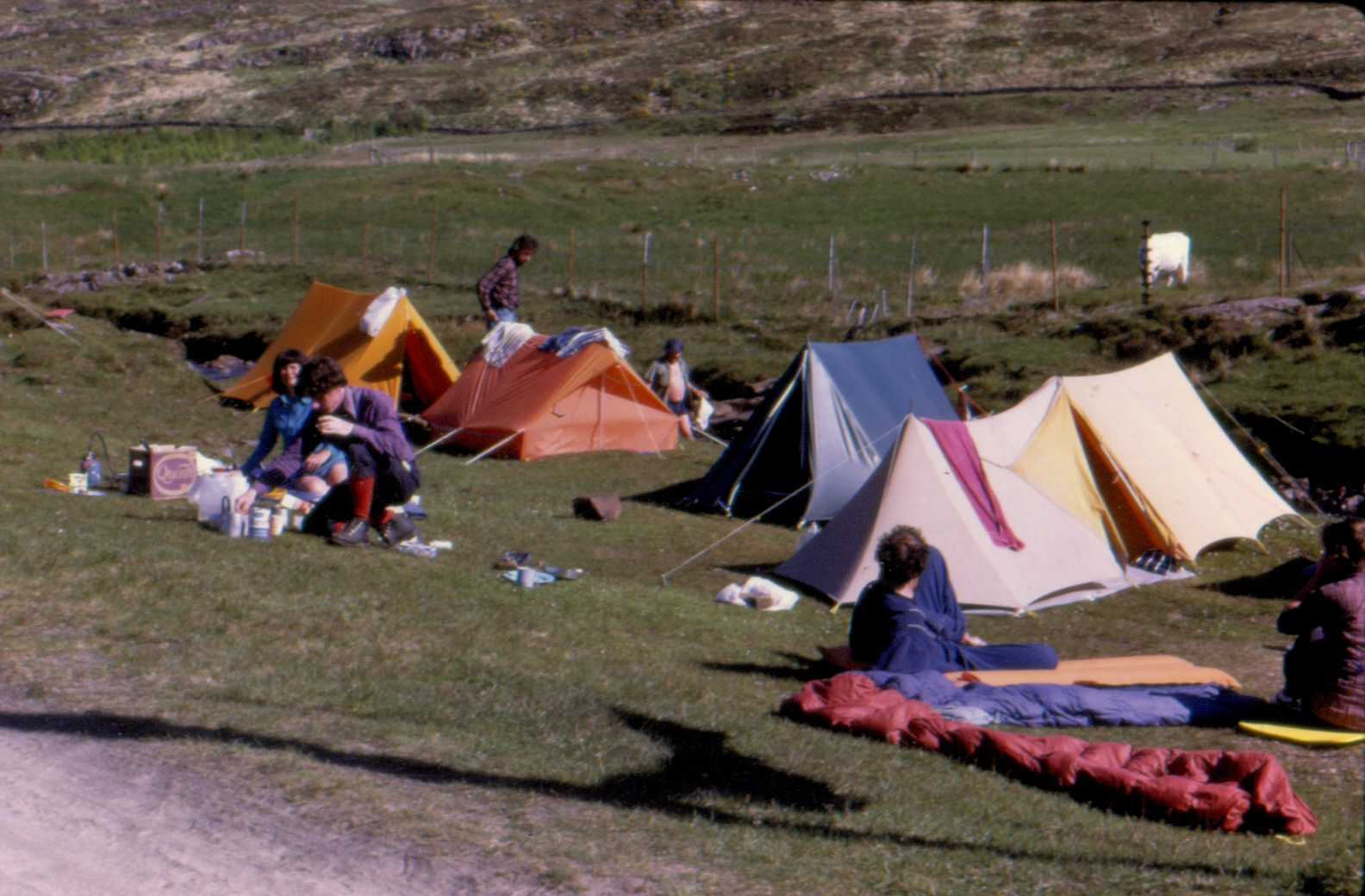 Initially it was the CHA Mountaineering Club but in 1967 the Chamois (an extremely agile mountain goat was adopted as the club emblem and the name was changed to CHAmois Mountaineering Club with first three letters capitalised to reflect the link with the CHA. Nowadays we are called the Chamois Mountaineering Club.
 The hut at Tyn y Maes was a useful base, but we wanted our own place, and after several years of searching, we found Marconi Hall at Ceunant between Llanberis and Caernarvon. It had been the accommodation block for engineers working at the Marconi Caernarvon Radio Station, built in 1914 to transmit radio telegraph messages to America via Cape Breton Island in Canada. It had 5 reception rooms, 14 bedrooms, 3 bathrooms, and a large detached garage! Vigorous fund raising, loans from members, and from the CHA, and a grant from the Sports Council raised enough money for the purchase and we set to work with a will over the next 12 months to completely
  renovate the place into a 10 bedroomed hostel sleeping 54, with male and female wash rooms, common room, dining room, large kitchen and additional living room and kitchen for members only. The work included demolishing the garage and using the crushed bricks as hard core for a new concrete floor for the main kitchen, dealing with rot in the joists all along the front of the building and renewing all the ground floor windows, complete redecoration of the interior as well as masonry painting the exterior.
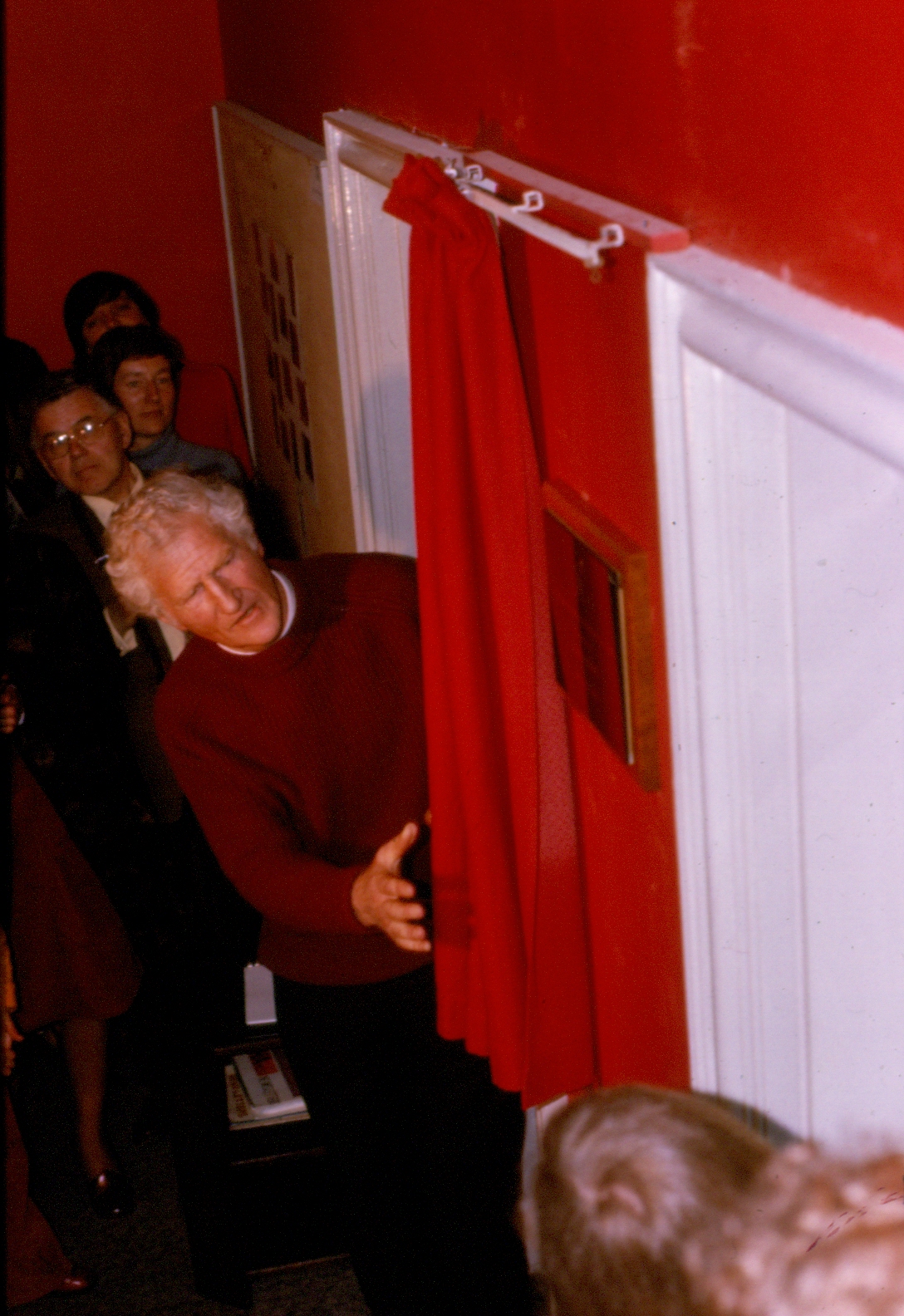
Eventually all was ready, and on 1st May 1976 the Chamois Mountaineering Centre was declared open by Lord John Hunt of Everest fame, and at the time Vice President of the Countrywide Holidays Association. To start the day the Club committee entertained the official guests to lunch at the Pen y Gwryd Hotel, memorable as the base for preliminary training for Hunt’s successful Everest team in 1953. After the opening ceremony in the afternoon, there was the very first ‘Chamois buffet’, with wonderful ceremonial cake, followed by country dancing and games in the kitchen.
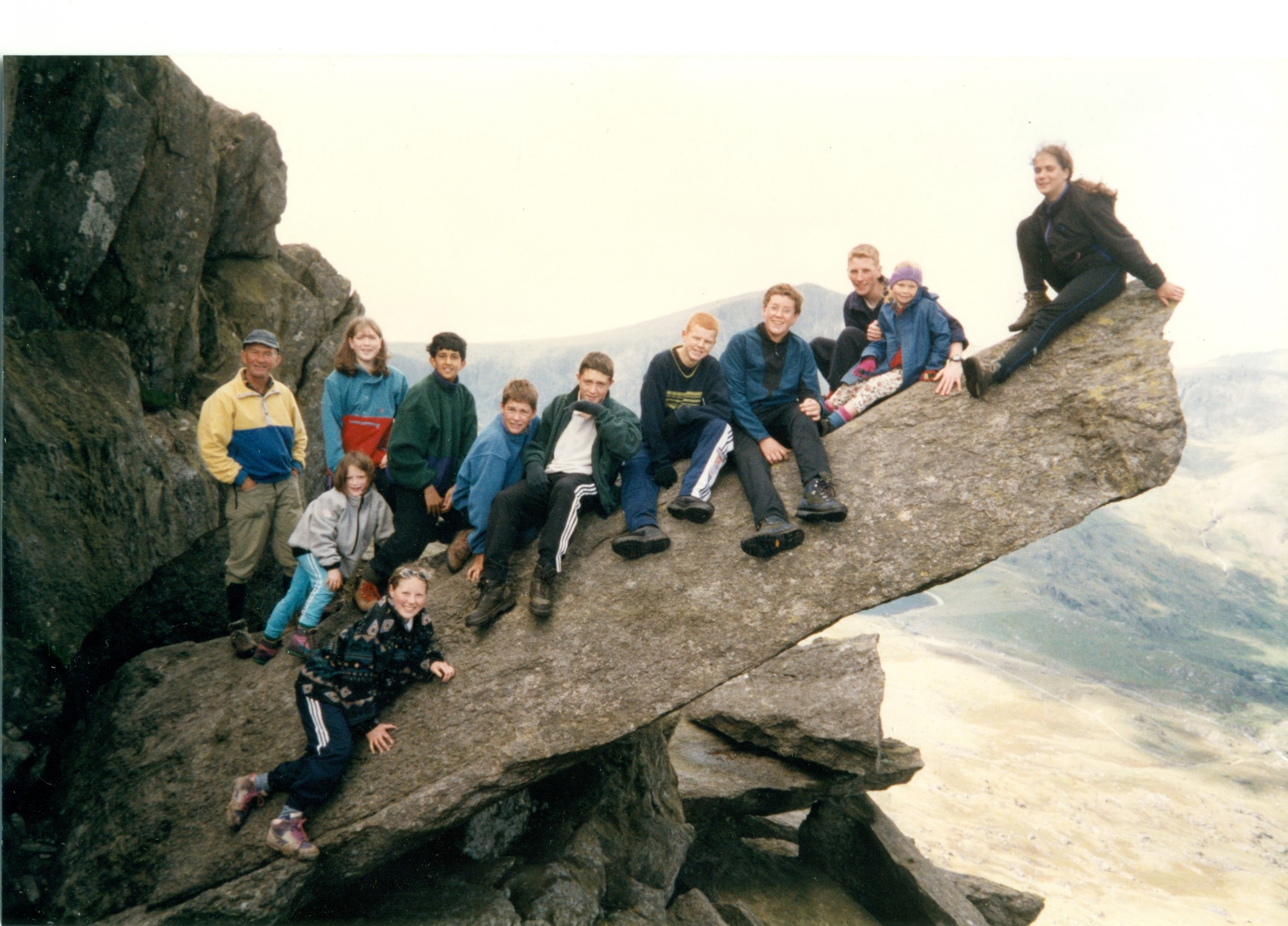 The Chamois Mountaineering Centre, usually known affectionately as ‘CMC’ or just ‘the Hut’ was an immediate success. It is the largest mountaineering hut in the country, and as such is in demand for hire by groups of students, rambling and mountaineering clubs and school parties. Their hut fees bring in a sizeable income every year to pay for maintenance and improvement, and enable members to use the hut at very favourable rates. Before long, traditions sprung up. There have been numerous attempts of the Welsh 14 3000s. Every August a week was allotted as a Family Meet, and for many years the hut filled with enthusiastic children and parents hoping to introduce them to the joys of the Welsh mountains. Even the youngest would have a go at simple rock climbs on Little Tryfan or Capel Rocks, and most had been up Snowdon by the time they reached their fifth birthday. The Family
  Meet waned a little as the children reached maturity, but it is now gathering momentum again as they bring their own children along. A New Year’s Eve party attracted large numbers for many years, and we even tried our hand at amateur dramatics with impromptu pantomimes at New Years 1999 and 2001
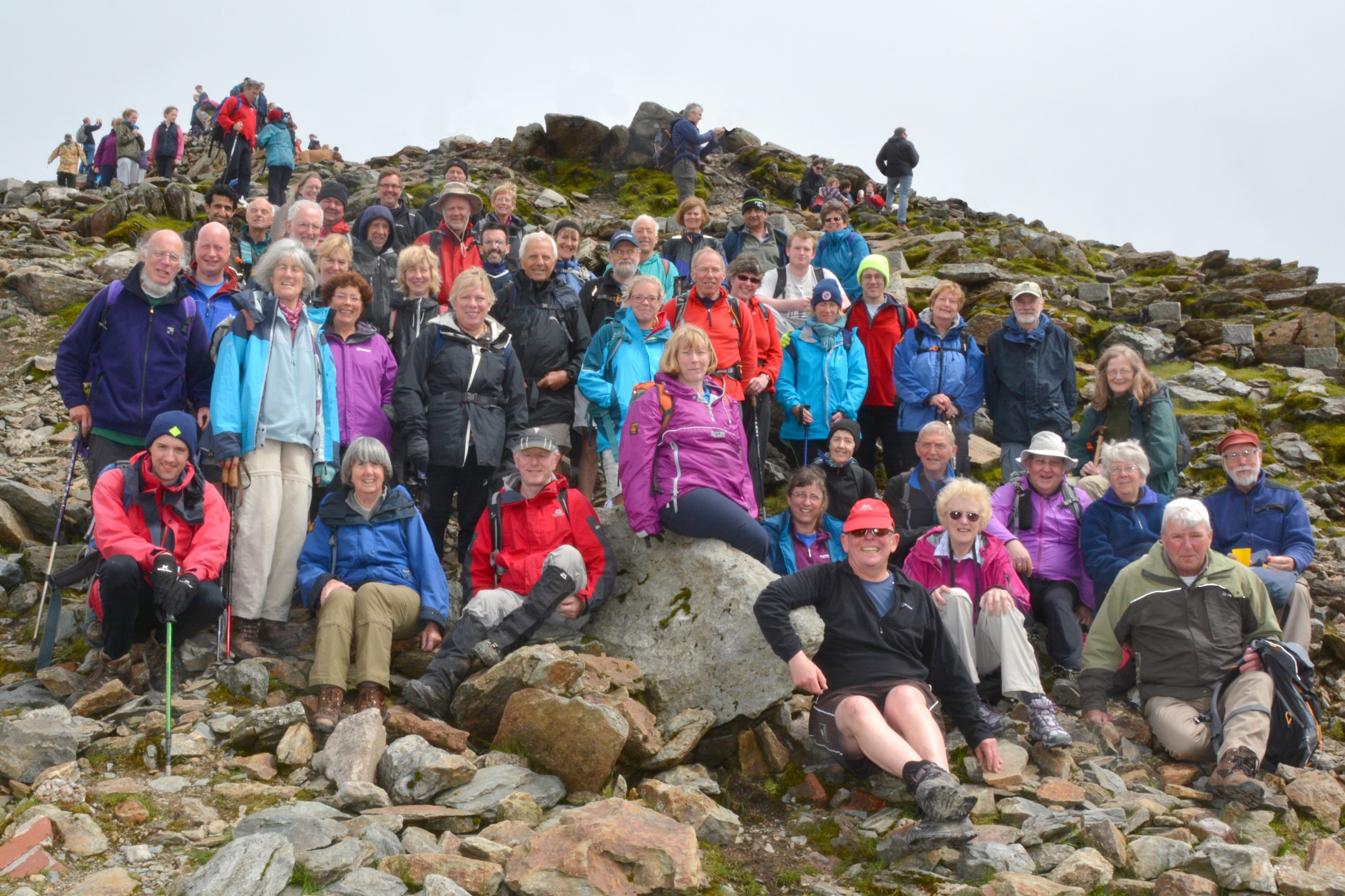
We have celebrated the formation of the Club every ten years. On the tenth anniversary we had a dinner at the Royal Oak Hotel in Keswick, and when the Club was 30 in 1994 we hired two of the Snowdon Railway trains to ride up the mountain in style for refreshments on top, followed by a ‘Chamois buffet’ in the evening and country dancing in the riding arena up the road at Plas y Celyn. We needed something ambitious for our 50th in 2014. Over a weekend at CMC those present climbed 50 Welsh peaks before attending a magnificent dinner at the Royal Victoria Hotel in Llanberis, and the next day over 50 members climbed Snowdon by every possible route for a group photo on top.
 CMC remains a focus of Club life. We have maintained the centre predominantly by our own volunteer labour. From the outset there has been a work meet every six months to cope with general maintenance, interspersed by smaller more specialised projects. Over the years we have seen installation of background central heating, powered first by a closed combustion stove, but later changed to oil, replacement of windows (twice) to cope with the severe weather conditions, arrival of the telephone and WIFI, and refurbishment of first the ladies, then the men’s washrooms, a makeover of the main kitchen and very
  recently complete restructuring of the members kitchen. Workmeets are attended enthusiastically. The amount of effort is staggering, perhaps egged on by the magnificent food provided by those who volunteer to do the cooking.
We have always taken our role in training for the mountains very seriously. In the early 2000s members put on informal training sessions in first aid, use of GPS and navigation. We learned how to prussik up a rope suspended from the stair well bannister one wet 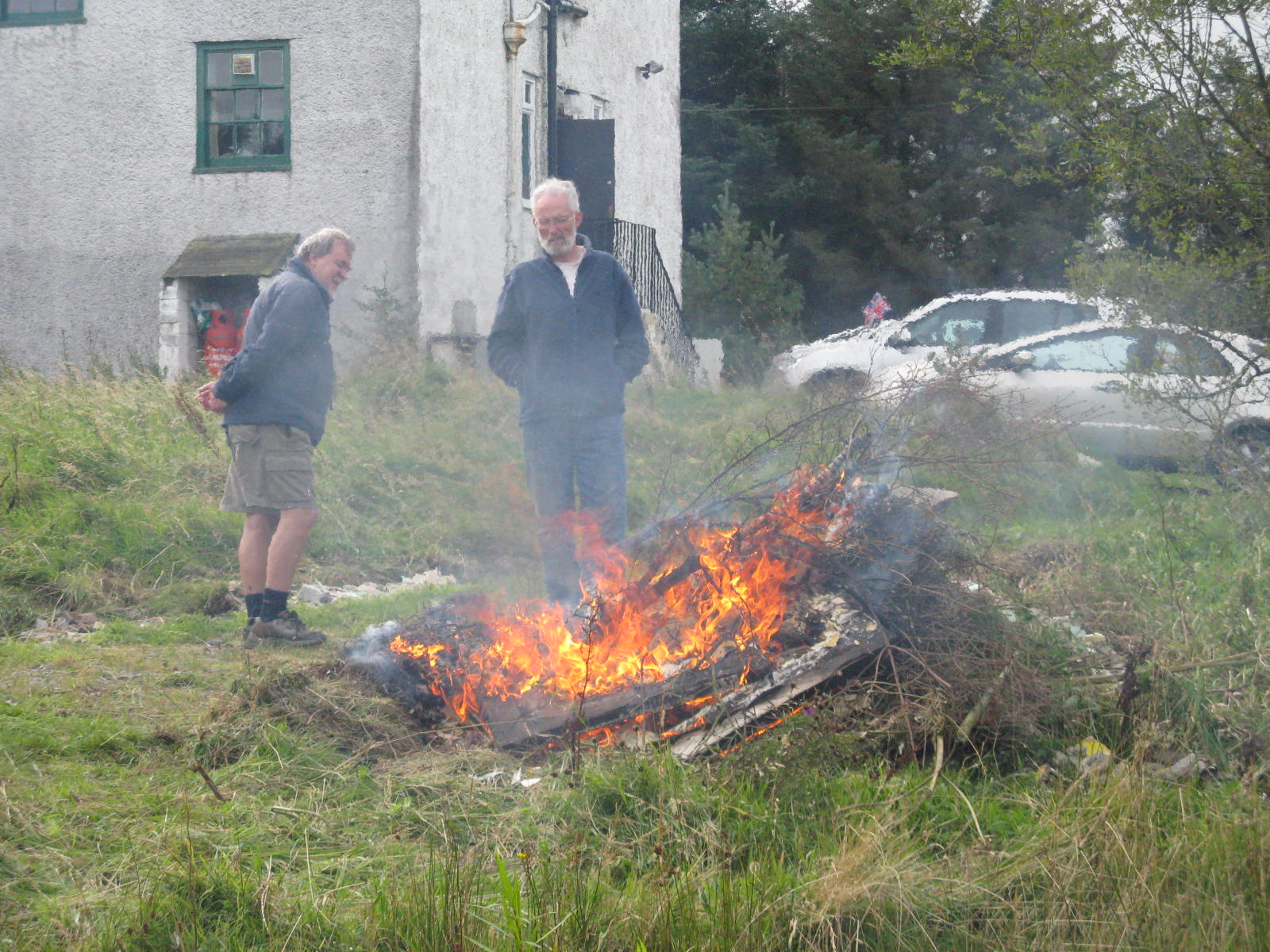 afternoon during a family meet, in anticipation of crevasse rescue on some future alpine meet . In recent years we have used member Chris Harling’s mountain training company to provide weekend courses in mountain scrambling and first aid, and he will shortly be providing training for Mountain Leader awards.
The Club is now 58 years old. A lot has happened in that time. In 1990, a group of 9 went to the Himalayas, trekking in the Everest region with hopes on two 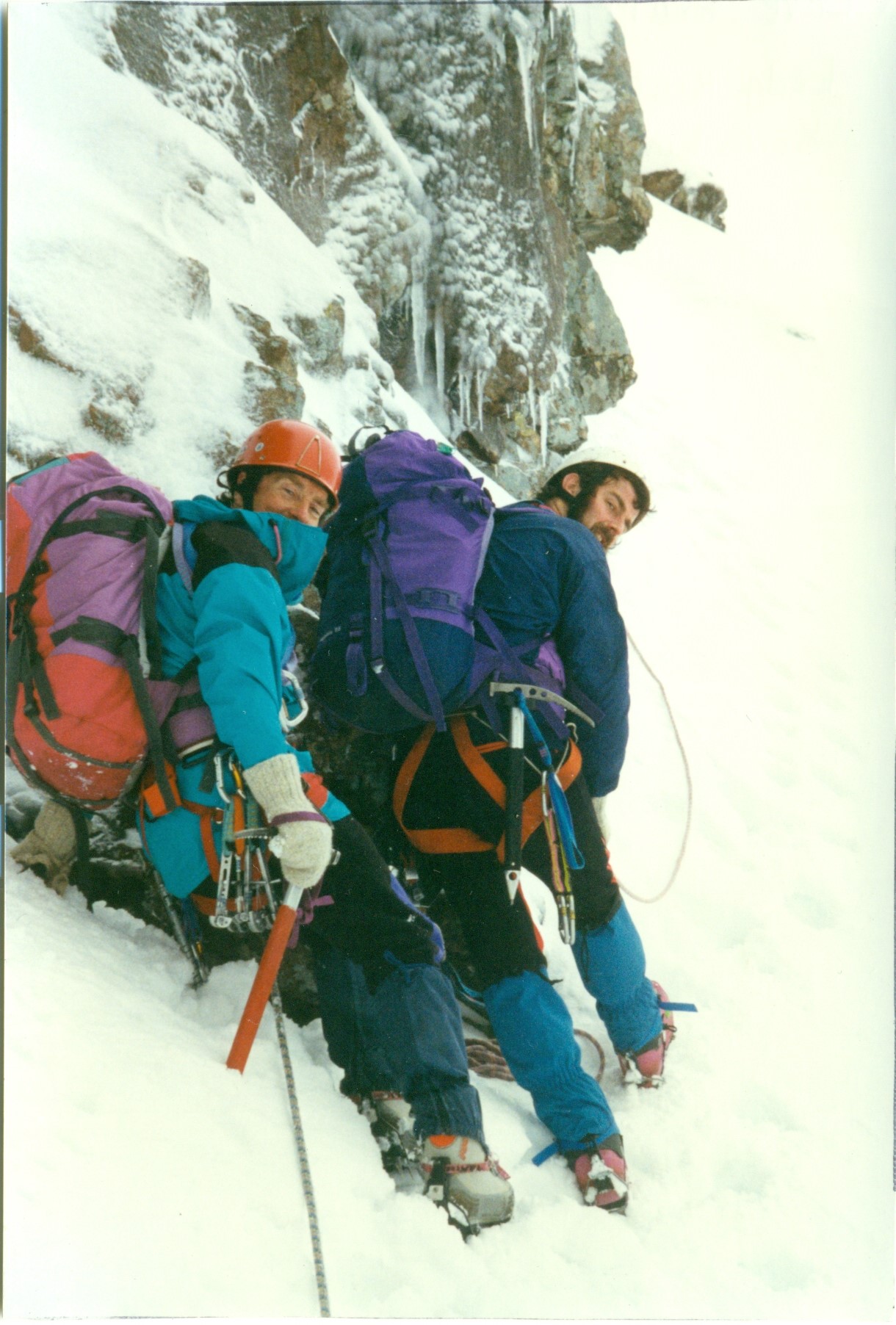 trekking peaks of which some achieved one, and another group has been in the Himalaya since. In 2007, Chris Harling, one of our second generation, reached the summit of Everest, and he’s done it again since. 19 members have completed all the Munros, and there has been lots of other activity in Scotland with many trips to Skye, visits to the CIC hut on Ben Nevis with hopes for the snow climbing in the winter and the classic ridges in the summer, and a good spread of activity in many other areas of the Highlands. Lots of groups have spent time in the Alps. There was a big meet in Chamonix in 1997 when many summited Mont Blanc. There is a downhill ski meet every winter, while others have branched out into ski mountaineering, and groups have walked some of the long-distance Sentiers Grands Randonnés in Europe. Other rather esoteric activities are recorded in the newsletter. We made a crossing of Morecambe Bay from Arnside to Kents Bank, in 1995, led by Cedric Robinson, the Queens guide
  to the sands (he’s just died in 2021 and they’re are looking for a replacement at the moment). We went bothying on Cross Fell in the Pennines in 2000, walked the coast path round Anglesey in 2013, and did the same on the Lleyn Peninsula a year later. We have made the Marsden-Edale crossing of the Derbyshire moors, and walked from Marple via Hayfield and Jacob’s Ladder to Edale. There have been several trips to Lundy in the Bristol Channel for the rock climbing, all ending with evacuation by helicopter to avoid storms. The current fashion in rock climbing has moved to the more benign, at least much warmer, climes of the Costa Blanca in Spain for sport climbing, always in the autumn as it is too hot to climb in the summer, and some of us have done a bit of caving in the Yorkshire Dales.
Lately there has been an influx of keen and fit new members who have embraced the Club spirit with a will and are willing to work very hard to keep things going and to move us forward very positively. The future looks bright.


